Commercial Snow Removal Contracts in Minnesota: A Property Manager's Buying Guide
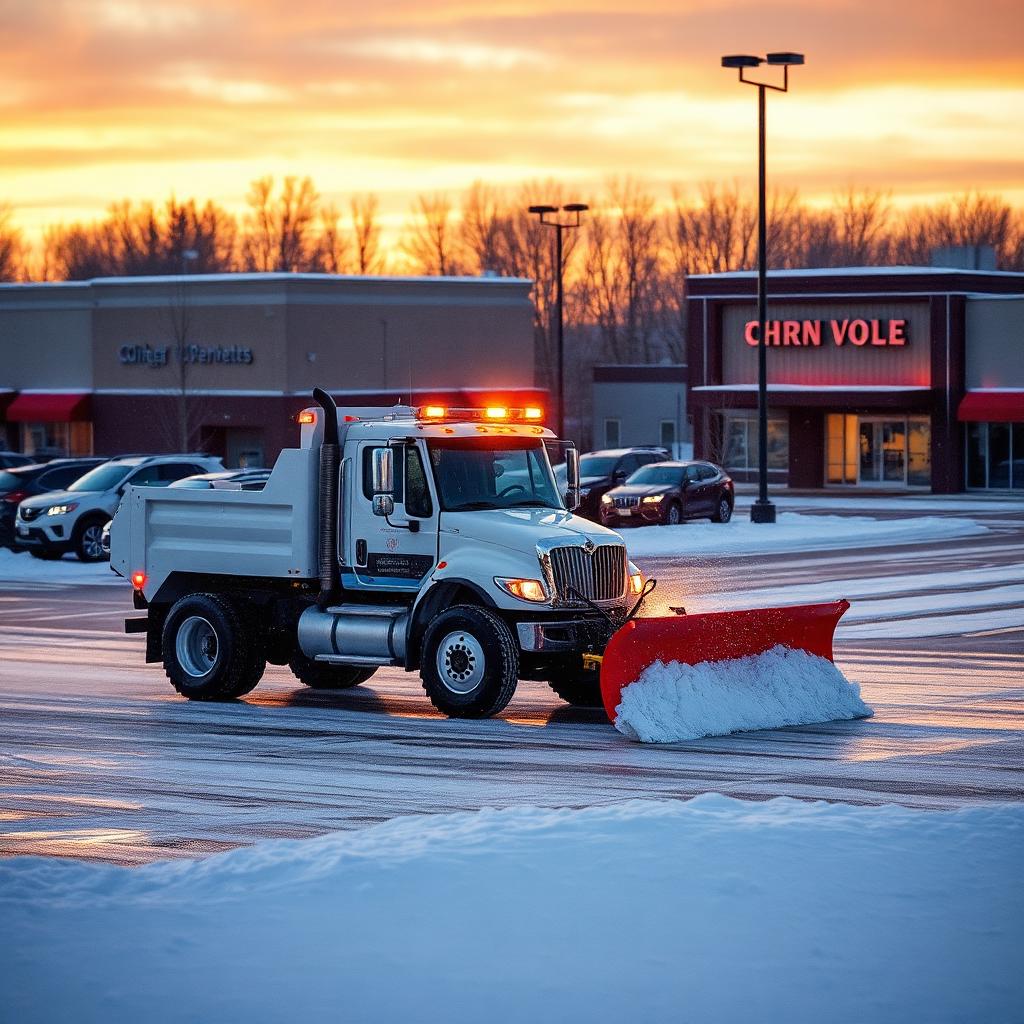
For Minnesota property managers, a snow removal contract isn't a seasonal commodity — it's a risk management document. Slip‑and‑fall exposure, tenant SLAs, ADA access, and the brutal unpredictability of a west‑metro winter all run through the same piece of paper. The good news: a well‑written commercial snow contract is straightforward. Here's what every Minnesota property manager should look for before signing.
The short answer
A solid Minnesota commercial snow contract spells out trigger depth, response time, scope (plow, shovel, ice management), a site map, insurance and indemnification, and clean renewal terms — not just a flat seasonal number. If any of those are missing, the contract is incomplete.
The four contract structures (and when each fits)
- Per‑push: You're billed every time the contractor pushes, regardless of accumulation. Predictable per‑event cost, unpredictable seasonal total. Good for properties that can absorb a heavy winter financially.
- Per‑event: One charge per storm, no matter how many pushes that storm requires. Better budgeting than per‑push; contractor absorbs the multi‑push risk.
- Seasonal (fixed): One number for the whole winter. Maximum budgeting certainty; the contractor takes on all weather risk. Most popular for HOAs, medical, and Class A retail.
- Time & materials: You pay hourly plus material for ice control. Most flexible, least predictable. Best for very large or unusual sites where standard pricing structures don't apply.
No structure is "best." The right one depends on your risk tolerance, tenant expectations, and how variable your site is.
Trigger depths and response windows
The trigger is the snow depth that activates service. In Minnesota, common triggers are:
- 1" — medical, assisted living, high‑traffic retail.
- 1.5–2" — most office, multi‑tenant retail, and class B/C commercial.
- 2–3" — industrial, warehouse, and low‑traffic sites.
Pair the trigger with a response window — the time from trigger to crews on site. A reasonable Minnesota standard is "on site within 2 hours of trigger, lot open before business start." Spell that out in writing. "We'll get there when we can" is not a response window.
Scope: what's actually included
"Snow removal" means different things to different vendors. A Minnesota commercial scope should explicitly cover:
- Lot and drive lane plowing.
- Sidewalk clearing and salting (often a separate crew).
- Entryway and ADA stall path clearing.
- Hand work around dumpsters, fire hydrants, and gas meters.
- Ice management: pre‑treat, deicing salt, and/or sand application.
- Snow stacking locations and an end‑of‑season relocation plan when piles get tall.
- Post‑storm site clean‑up of windrows and gate areas.
If sidewalks aren't in your plowing contract, get them in writing with a separate sidewalk crew — slip‑and‑fall claims overwhelmingly originate on walks, not in the lot.
Liability, insurance, and indemnification
The single most expensive winter event for a Minnesota property manager isn't snowfall — it's a slip‑and‑fall claim. The contract should require:
- General liability insurance of $1M per occurrence / $2M aggregate at minimum.
- Snow & ice management coverage specifically named on the policy.
- Property manager and owner listed as additional insureds.
- Service logs and time/date stamps for every visit — this is your evidence in a claim.
- Clear indemnification language consistent with current MN case law.
Industry best practices from SIMA (Snow & Ice Management Association) back up this minimum — and any reputable contractor should already meet it without negotiation.
Site maps and stake markings
Before the first flake, your contractor should walk the site with you and produce a site map showing:
- Plow direction and primary snow stacking zones.
- No‑plow areas (low curbs, irrigation, painted striping you want preserved).
- ADA stalls and access aisles.
- Gas, water, and electrical risers to avoid.
- Drain locations to keep clear during melt cycles.
Reflective stakes go in by Halloween. Properties that skip staking are the same ones that lose striping, curbs, and landscape edging every March. If you'll be re‑striping in spring anyway, our guide on parking lot striping and ADA compliance lays out what compliant layouts look like.
Pavement protection clauses
A good contract protects your asphalt too:
- Plow shoes or skids required to keep blades off the surface.
- Approved deicers only — no straight rock salt on freshly sealed lots.
- Damage reporting protocol (crews report any contact with curbs, gates, or landscaping the same day).
That last clause matters more than it looks. A contractor that reports their own minor damage is one you can trust; a contractor who hides it isn't.
Renewal, cancellation, and force majeure
- Auto‑renewal language with a clear opt‑out window (most MN contracts default to renewal each August).
- 30‑day cancellation for non‑performance, with documented notice.
- Force majeure carve‑outs for once‑a‑decade blizzards — but with a defined "best effort" obligation, not a blank pass.
- Mid‑season rate locks. If salt prices spike, who absorbs it?
Red flags to walk away from
- No written trigger depth or response time.
- No proof of insurance offered before signing.
- No site walk before the contract starts.
- No service logs or timestamps after each event.
- Verbal promises that "aren't in the contract but we always do them."
- One‑truck operations with no documented backup plan when equipment breaks.
Watertown and west‑metro specifics
Properties in Watertown, Mayer, Waconia, Delano, and Howard Lake sit on the western edge of the Twin Cities snow band. Storms here often arrive earlier and exit later than at MSP, and lake‑effect bursts off Waconia and Independence can add inches after the forecast says "done." Build that reality into your contract: a vendor that's local — and actually staged in the west metro overnight — will be on your site hours before one staged in Minneapolis.
Coordinating snow service with the rest of your pavement plan
Winter doesn't sit on its own line item. The plow damage you take in January is what you're filling and sealing in June. Property managers who run snow, striping, sealcoating, and patching through one local contractor get fewer surprises and faster spring turnarounds. See our companion guides:
- Parking lot seal coating: a Minnesota property manager's guide
- Asphalt patching & pothole repair that lasts through a Minnesota winter
- The Minnesota asphalt maintenance calendar (commercial version applies)
FAQs
What trigger depth is standard for Minnesota commercial properties?
Most office and retail sites run a 1.5–2" trigger. Medical and assisted living typically drop to 1". Industrial and warehouse can stretch to 2–3". The right number is the one your tenants and insurer will both accept.
Per‑push or seasonal — which is better?
Seasonal gives you budget certainty and transfers weather risk to the contractor; per‑push and per‑event pay only for what falls. Mild winters favor per‑event; heavy winters favor seasonal.
Who's liable for a slip‑and‑fall in Minnesota?
Liability depends on the contract, the contractor's performance, and Minnesota premises liability law. A well‑written agreement with clear scope, documented service logs, and proper additional‑insured language is your strongest defense. Always confer with counsel for your specific portfolio.
When should snow contracts be signed for the season?
August and September. By October, reputable Minnesota contractors are routing crews and ordering salt — late signers either pay more or get a vendor nobody else picked.
What about ice management — is salt enough?
For most sites, a pre‑treat plus event salting handles 90% of MN conditions. Below 15°F, treated salt blends or sand are more effective. Heavy refreeze conditions (rain‑on‑snow) often need repeated application — make sure your contract allows it without a change order.
Request a commercial snow proposal from Prater
Prater Companies is locally owned and based in Watertown, MN. We service commercial snow and ice across the west metro with documented response times, full insurance, and a single point of contact for your whole pavement program — snow, striping, sealcoating, and patching under one roof. Call 763‑234‑7341 or request a free commercial snow proposal. Property managers can also see current commercial promotions including our standing 5% commercial discount. For Carver County properties, see our Waconia service area page.