New Asphalt Driveway Care in Minnesota: When Should You Sealcoat?
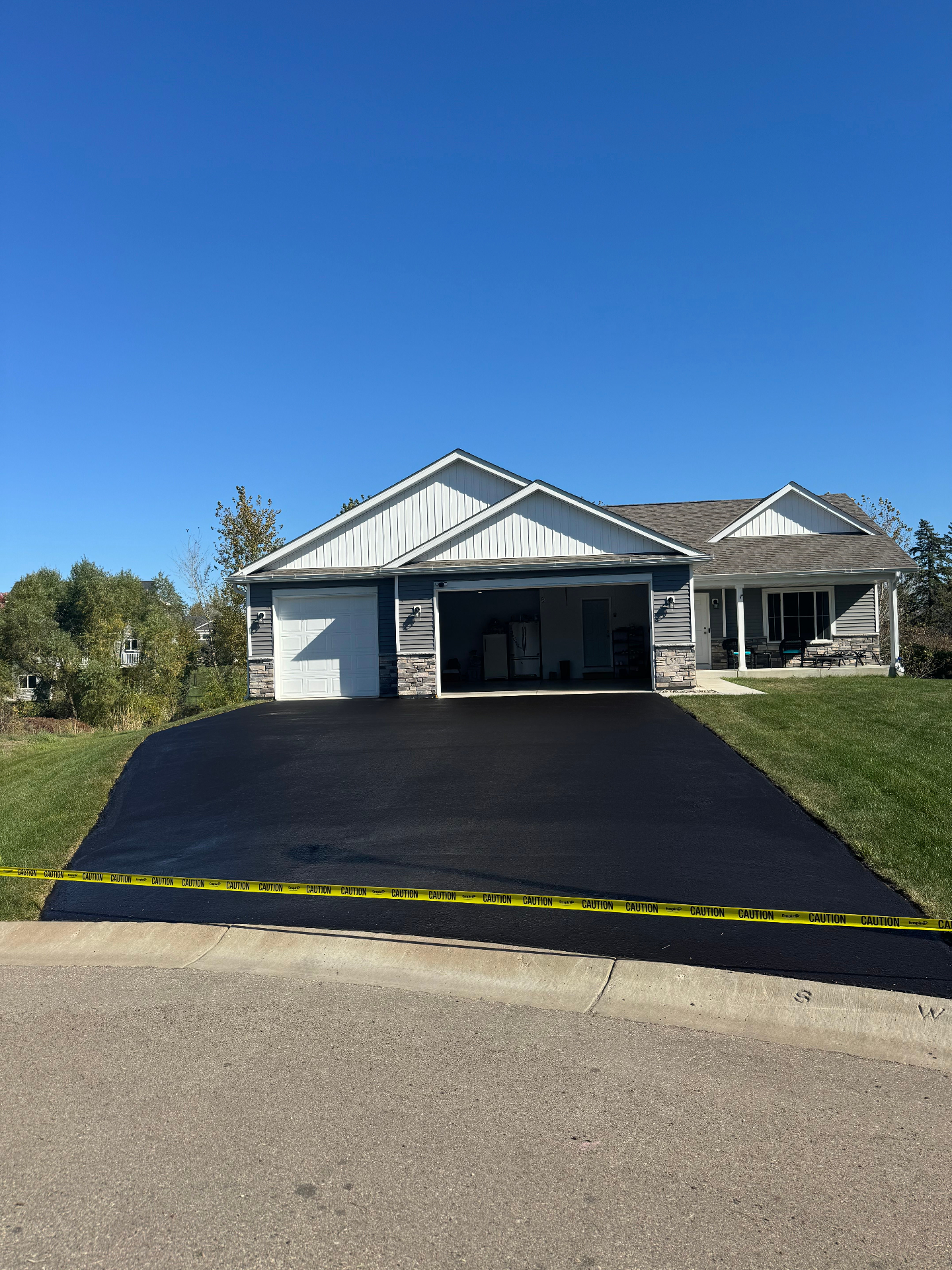
A new asphalt driveway needs time to harden and release surface oils before it can be sealcoated. The correct timing depends on installation date, the mix used, weather since paving, how the driveway has been used, and the sealer being applied. Follow your paving contractor's specific instructions and have the surface evaluated — don't force one rigid date on every driveway. A common general rule you may hear is roughly six to twelve months, but that's guidance, not a universal law.
Why new asphalt needs time before its first sealcoat
Fresh asphalt has to give off light oils and stiffen at the surface before sealer can bond. Coating too early traps those oils, softens the surface further, and can lead to peeling and adhesion problems that shorten the life of the first sealcoat.
What asphalt curing actually means
"Curing" here isn't like concrete curing chemically. Asphalt cools and then slowly hardens as volatiles work out of the surface. The Minnesota Asphalt Pavement Association and the MnDOT pavement preservation program both stress that pavement preservation timing depends on the specific surface — not a calendar date.
The first 24 to 72 hours
This is the softest window. Foot traffic is usually fine within hours; vehicles typically need longer. Follow the paver's specific instructions. Avoid sharp turns, jack stands, kickstands, or heavy point loads.
The first 30 days
Hot afternoons can soften the surface temporarily. Turn wheels only while the vehicle is rolling. Use plywood or plastic pads under any concentrated load — trailer jacks, ladder feet, camper stabilizers. Clean fuel and oil drips promptly.
The first summer
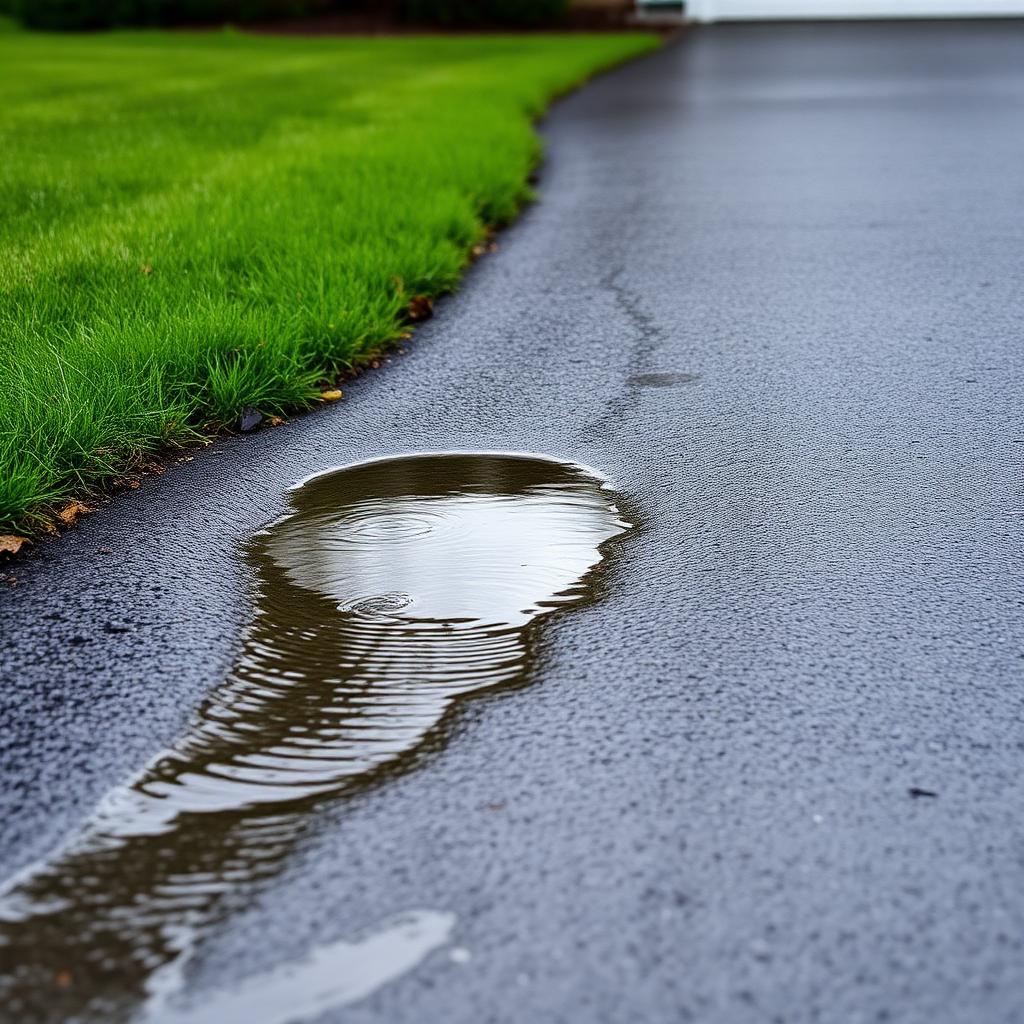
Watch how the driveway drains after storms. Standing water is a sign of a low spot; a low spot becomes a pothole a few winters later. Keep irrigation from repeatedly saturating the edges.
The first Minnesota winter
Mark the driveway edges before snow flies. Use a poly‑edge shovel and, when possible, a plow with a poly cutting edge or plastic shoes. Avoid pushing snow so it piles and sits on one corner for the entire season. Ice melt is usually fine in moderation — the University of Minnesota Extension has practical guidance on deicer use for property owners.
Signs the asphalt is still too new to seal
- Tire scuffs or heel marks form easily on warm days.
- Surface still looks very dark and slightly oily.
- Fresh gasoline or oil drops soak in almost immediately.
- Paver still recommends waiting.
Signs the surface may be ready for evaluation
- Color has shifted from jet black to a matte, medium black.
- Warm‑day scuffing has stopped.
- Water no longer sits on top the way it used to.
- The driveway has been through at least one full season of weather.
Surface color alone isn't a reliable readiness test. It's one signal among several.
Why sealcoating too early can cause problems
Trapped surface oils prevent sealer from bonding. The result is peeling, uneven color, and a first coat that fails long before it should. A failed first sealcoat also makes the second one harder — the old sealer has to be dealt with before a proper application can happen.
What happens if you wait too long?
Unsealed asphalt oxidizes, loses flexibility, and starts to ravel and crack. Wait several years past a reasonable window and you're catching up — filling cracks that could have stayed hairline and paying for extra prep. Our Minnesota driveway sealcoating schedule covers the ongoing cadence.
Driving, parking, and turning wheels on new asphalt
Turning the steering wheel while the car is stopped scuffs and can displace fresh asphalt. Roll a foot or two, then turn. Reverse into the driveway when possible so you're not making tight three‑point turns on the surface.
Point loads from trailers, jacks, kickstands, and patio furniture
Concentrated weight leaves indentations that don't come back out. Put a 12" square of plywood under trailer jacks, camper stabilizers, and motorcycle kickstands. Move heavy planters or stationary equipment periodically during the first summer.
Preventing oil, fuel, and hydraulic damage
Petroleum dissolves asphalt binder. Blot fresh drops with cat litter or an oil‑absorbent, then clean the residue with a driveway‑safe degreaser. Don't pour solvents like gasoline or acetone on asphalt to clean anything. If a stain sets, our oil‑stain removal guide walks through what actually works.
Supporting and protecting driveway edges
Edges are the weakest part of any asphalt driveway. Keep soil, aggregate, or a mowed grass shoulder built up flush with the edge so tires don't chip it. Don't drive on the edge for the first month if you can help it.
Drainage, irrigation, and standing water
Fix drainage issues before winter. A downspout dumping onto the driveway, a sprinkler head that soaks a corner, or a low spot that ponds after rain all shorten the life of the pavement. Water that infiltrates a hairline crack becomes ice, and ice pries the crack open through every freeze‑thaw cycle.
Snowplows, shovels, and ice melt
Mark the driveway with reflective stakes before the first snow. Poly shovel edges, plow shoes, and careful operator technique save the surface. Skip metal blades pressed hard to the pavement. Salt in moderation is usually fine — heavy repeat applications accelerate surface wear and, in warm spells, wash into the soil around the edges.
What to do when the first crack appears
A hairline crack in year one isn't unusual. Note the location and width with a photo. During your first professional sealcoat visit, we'll rout and fill anything wider than about ⅛" with hot‑pour sealant. See our guide on crack filling versus driveway replacement for what larger cracks mean.
First‑year driveway maintenance checklist
- Follow your paver's return‑to‑service instructions.
- Avoid stationary turns; roll before you turn.
- Pad concentrated loads.
- Clean fuel and oil spills promptly.
- Keep irrigation off the pavement.
- Build soil or grass flush to the edges.
- Mark for winter before snow flies.
- Use poly shovels; go easy on the salt.
- Photograph any new cracks or settlement.
- Have the surface evaluated before scheduling the first sealcoat.
What the first professional sealcoating visit should include
- Readiness evaluation of the surface.
- Cleaning, edging, and vegetation removal.
- Crack filling with hot‑pour sealant where needed.
- Oil‑spot priming as required.
- Properly applied sealer following manufacturer instructions.
- Clear cure and return‑to‑service window in writing.
Ongoing maintenance after the first sealcoat
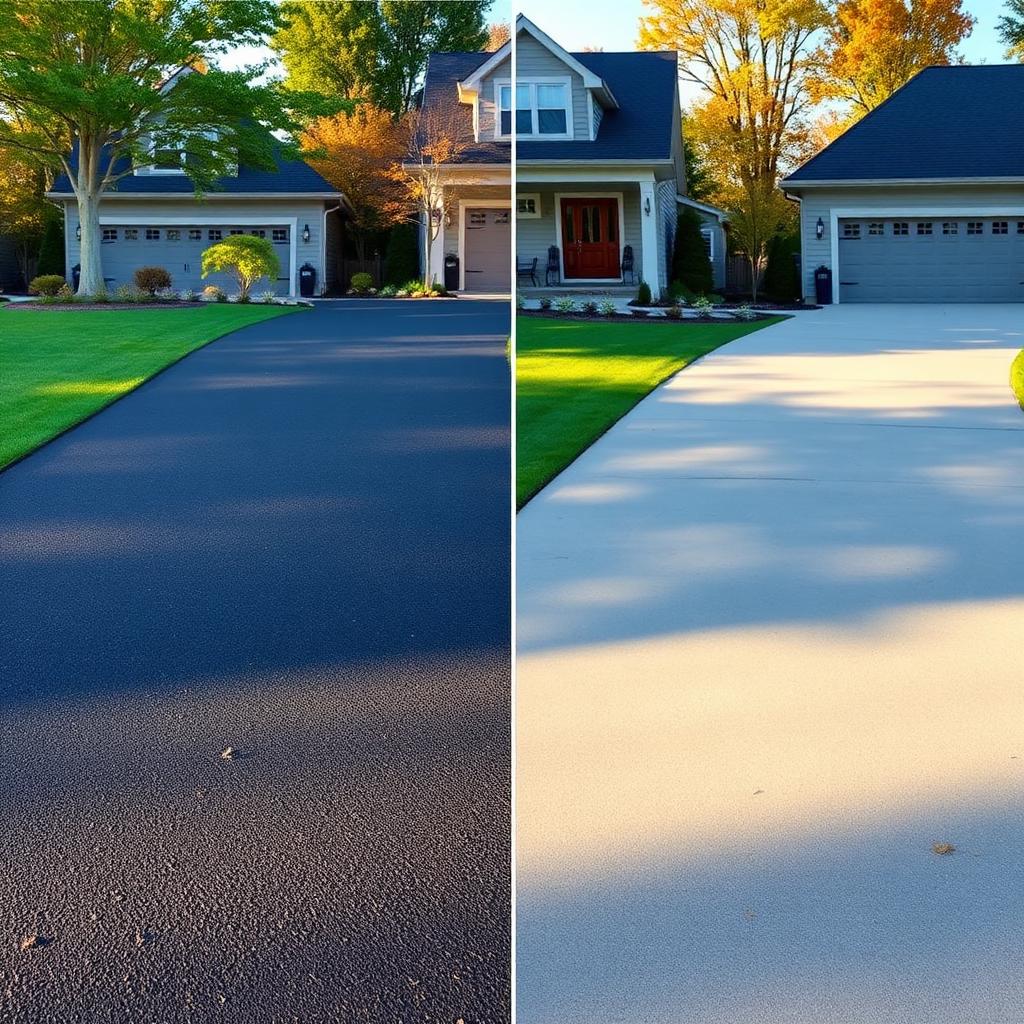
From there, follow the Minnesota driveway maintenance calendar — inspect every spring, crack fill early summer, sealcoat every two to three years, and protect through winter. Curious how many years you're buying? See how long sealcoating lasts on a Minnesota driveway. Weighing surfaces for a rebuild? Compare in our asphalt versus concrete breakdown.
New asphalt care in Watertown, Waconia, and the west metro
Prater Companies is based in Watertown and handles first sealcoats and ongoing maintenance across the west metro. If you're in Carver County, see our Waconia asphalt‑maintenance services page. Water pooling on the new surface? Read our Minnesota driveway drainage guide next, and browse the gallery for recent work.
Frequently asked questions
How long should I wait before sealcoating new asphalt?
Long enough for the surface to harden and stop giving off oils. That often takes at least one full season and commonly falls in the six to twelve month range as general guidance — but the right answer depends on your specific driveway, weather, and paver's instructions. Have the surface evaluated rather than defaulting to a fixed date.
Can a new driveway be sealcoated immediately?
Not without risk. Coating over asphalt that hasn't released its surface oils can trap them, cause peeling, and shorten the life of the first sealcoat. The short‑term "black" look isn't worth the long‑term repair.
What happens if asphalt is sealed too early?
The most common outcomes are poor adhesion, uneven color, and premature peeling. In some cases the surface stays soft longer than it should because the oils were trapped underneath. Then the second sealcoat has to deal with a failing first one.
When can I park on a new asphalt driveway?
Usually within a few days for typical vehicle weight — but follow your paver's specific return‑to‑service instructions. Avoid parking heavy trailers, campers, or equipment in the same spot for extended periods during the first summer.
Why do tires leave marks on new asphalt?
Fresh asphalt is softer and warmer. Turning a steering wheel while stopped grinds and displaces surface material. Rolling before turning almost eliminates the marks. Most warm‑day scuffing fades as the surface hardens through the first summer and winter.
Can I use a snowplow during the first winter?
Yes, with care. Mark the edges, use a poly cutting edge or plow shoes where possible, and don't drop a metal blade hard onto the pavement. Skip aggressive scraping on the last pass — a thin snow layer left behind is easier on the driveway than gouging the surface.
What should I do if oil spills on new asphalt?
Blot with cat litter or an absorbent, sweep it up, then clean with a driveway‑safe degreaser and rinse. Don't reach for gasoline, acetone, or paint thinner — solvents dissolve the same binder you're trying to protect.
Should I fill a crack during the first year?
Note it and photograph it. Small hairline cracks are usually addressed at the first professional sealcoat visit with hot‑pour crack sealant. Wider cracks or any alligator pattern deserve evaluation sooner — those point to base or drainage issues, not just surface wear.
Can Prater Companies inspect a new driveway before sealcoating?
Yes. We'll evaluate the surface, note any prep needed, and either quote the first sealcoat or tell you it still needs more time. Call 763‑234‑7341 or request a quote.
Ready to protect your new driveway?
Prater Companies is locally owned and based in Watertown, MN. We'll look at the surface, give you a straight answer on timing, and quote the first sealcoat in writing. Call 763‑234‑7341 or request a free quote. Review current promotions before scheduling.